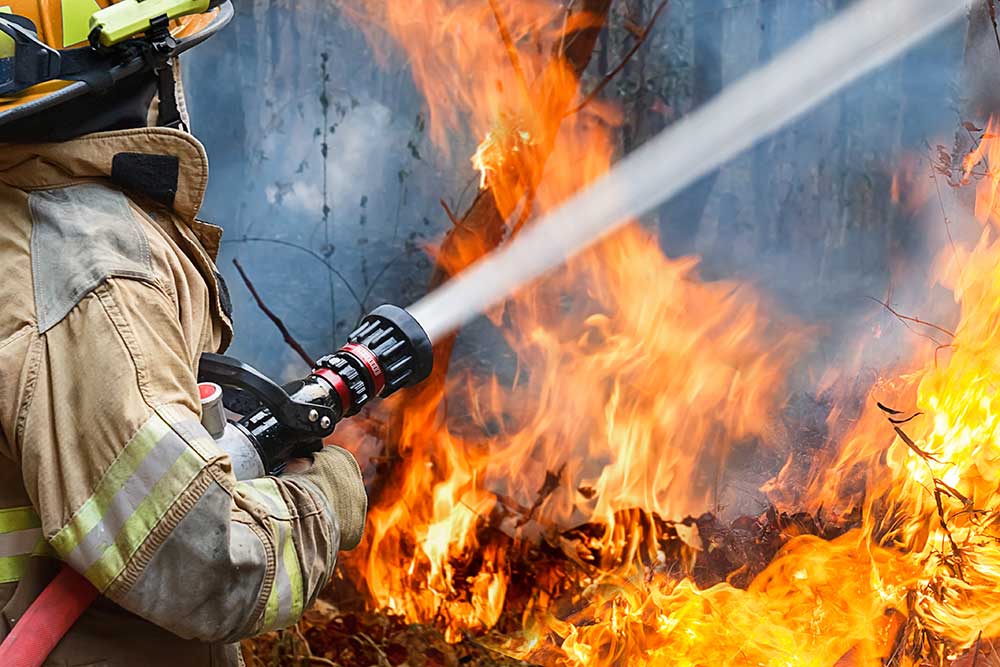
Emergency crews continue battling the Riley Creek wildfire in British Columbia, as firefighters work to contain the blaze in the Riley Creek and Texas Creek area near Lillooet.
The wildfire, identified as K70659, has grown considerably since it was first discovered in late June, prompting evacuation measures as authorities monitor changing conditions and the potential threat to nearby properties.
Riley Creek Wildfire Grows Near Lillooet
The Riley Creek wildfire was initially reported south of Lillooet in late June. By July, the fire was estimated at approximately 72 hectares and was being held within its existing perimeter.
Officials suspected lightning as the cause of the fire. At that stage, no evacuation orders or alerts had been issued.
Conditions later changed, and by August 2, the fire was reported to have grown to approximately 1,150 hectares. Additional firefighting crews were brought in to support the response as authorities continued monitoring the fire’s behaviour.
Evacuation Alerts and Orders
The Squamish-Lillooet Regional District has issued evacuation alerts and orders in response to the Riley Creek wildfire.
An updated evacuation alert published July 31 covered several properties in the Texas Creek area, reflecting concerns about the potential threat to life and health as the fire developed.
The evacuation order for Area B was subsequently expanded on August 9. Residents affected by an evacuation order have been instructed to leave the area and follow directions from emergency officials.
Wildfire conditions can change rapidly, particularly when weather, wind, dry vegetation and terrain contribute to increased fire activity. Evacuation alerts are intended to give residents time to prepare, while orders require affected residents to leave when authorities determine that remaining in the area may be unsafe.
Firefighters Continue Containment Efforts
Fire crews responding to the Riley Creek wildfire may use a combination of strategies depending on fire behaviour and terrain.
These can include constructing containment lines, removing combustible vegetation, using water and aerial resources, and conducting controlled burning where conditions allow.
The objective is to slow the fire’s spread, protect nearby communities and infrastructure, and establish secure containment around the affected area.
Smoke and Air Quality Concerns
Smoke remains another concern associated with the wildfire.
Large wildfires can produce smoke that travels significant distances, affecting communities far from the immediate fire perimeter. People experiencing heavy smoke may be advised to reduce strenuous outdoor activity and seek cleaner indoor air.
Residents should follow current air-quality guidance from provincial and federal authorities, particularly if smoke conditions deteriorate.
British Columbia Faces Challenging Wildfire Season
The Riley Creek wildfire is occurring during a difficult wildfire season across British Columbia, with firefighters responding to multiple significant incidents throughout the province.
Other wildfires, including the Bald Range fire near Summerland, have resulted in extensive evacuations and significant property impacts, placing additional pressure on firefighting resources.
Crews from outside jurisdictions have also been brought in to assist British Columbia’s wildfire response.
Residents Urged to Monitor Evacuation Information
Residents in areas affected by Riley Creek should continue monitoring official emergency notifications and remain prepared to leave if an evacuation order is issued for their property.
Anyone already under an evacuation order should leave as directed and avoid delaying departure to collect additional belongings if conditions are deteriorating.
People travelling near the fire area should stay away from restricted zones and avoid interfering with firefighting operations. Drivers should also be prepared for possible road closures, reduced visibility and smoke-related hazards.
Although lightning has previously been identified as the suspected cause, the situation and fire statistics may continue to change as officials assess the incident.
The priority remains protecting lives, communities and critical infrastructure. Residents should rely on the British Columbia Wildfire Service and local emergency authorities for the latest verified information as the Riley Creek wildfire response continues.